Context
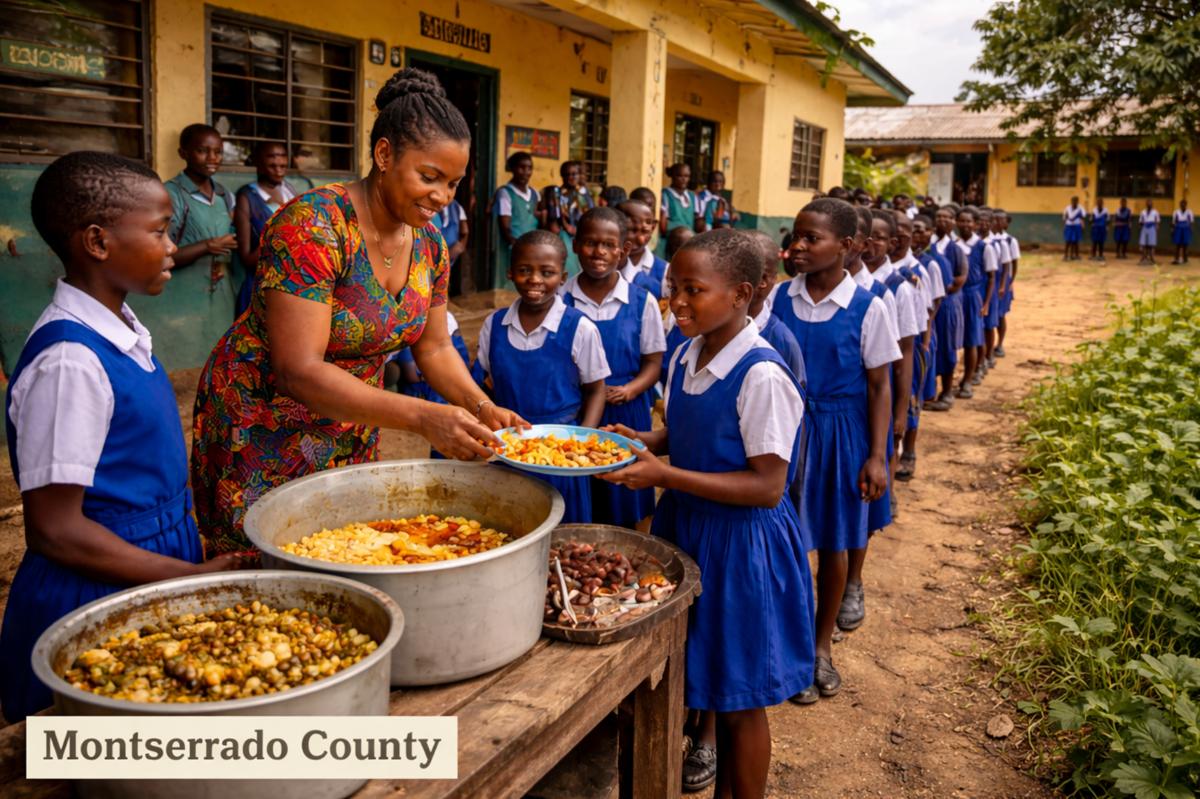
Liberia possesses significant potential for inclusive growth, underpinned by a predominantly youthful population: an estimated 41.5 percent of citizens are under 18 years of age, with adolescents defined as those aged 10–19 years (LPHC, 2022). Montserrado County hosts the largest concentration of adolescents and youth, accounting for approximately 92.6 percent across the 15–24 and 15–35 age cohorts. Despite modest gains, disparities persist, with male adolescents demonstrating higher literacy levels than females in both urban and rural settings.
Structural challenges continue to constrain human development outcomes. National literacy rates remain low—estimated at 48.3 percent (UNESCO) and 58.6 percent (LPHC, 2022)—while multidimensional poverty limits access to essential services. These deprivations disproportionately affect adolescents and young people, particularly girls, who face heightened risks of early marriage, teenage pregnancy, and school dropout due to intersecting factors including poverty, gender inequality, and limited access to education and health services.
Malnutrition is a significant concern, with about 55 percent of adolescent girls anemic (Hb <10 g/dl). This increases the risk of poor maternal and neonatal outcomes and contributes to intergenerational stunting. Harmful practices such as female genital mutilation, as well as sexual exploitation and abuse, further threaten girls’ health and safety. Climate-related shocks and recurring disease outbreaks worsen these vulnerabilities by disrupting access to essential services. Addressing these challenges requires an integrated, multisectoral approach that connects nutrition, sexual and reproductive health and rights (SRHR), protection, WASH, education, and social and behavior change (SBC). This program will equip adolescent girls with the knowledge, skills, and agency to access essential services, strengthening their resilience, well-being, and future opportunities.
The Intervention
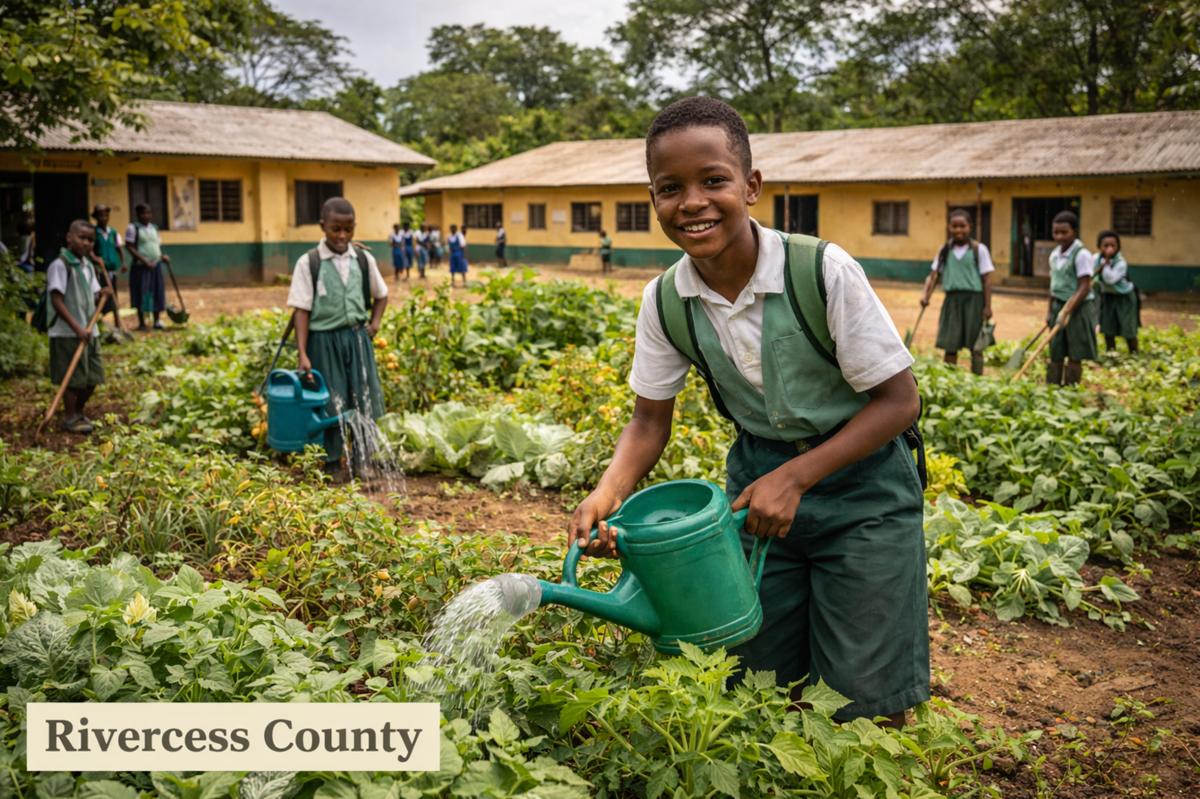
This project aims to support the Government of Liberia in improving nutrition and well-being among adolescents aged 10 to 19, especially girls, in targeted counties. It will expand equitable access to quality nutrition services, strengthen referral pathways to adolescent-friendly platforms, and promote adolescent-led innovation and participation in nutrition programming.
The project will strengthen national and county systems to deliver adolescent-responsive services, including improved data collection, monitoring, and use through DHIS2 and county performance dashboards. It will increase access to integrated service packages, such as nutrition education, weekly iron and folic acid supplementation (IFA), and biannual deworming, across schools, communities, and health facilities. The project will also reinforce connections to adolescent-friendly centers and peer support networks.
The intervention will empower adolescent girls with the knowledge, skills, and agency to influence decisions about their nutrition and well-being. Using social and behavior change strategies, mentorship, and adolescent-led innovation platforms, girls will co-create context-specific solutions, including school and community nutrition initiatives such as cooking demonstrations and small-scale gardening. These efforts aim to ensure that adolescents, especially girls, thrive and contribute meaningfully to sustainable development.
Output 1.1: National and subnational institutions are strengthened to ensure an enabling environment for Adolescent Responsive Sexual and Reproductive Health Rights (ARSRH) services. The partner will support the updating of county-level performance tracking dashboards by facilitating routine field data collection and performance monitoring. This will include assessing program implementation to validate service delivery, nutrition activities, and adolescent engagement.
Key Activities:
• Strengthen coordination mechanisms to ensure county systems can effectively conduct supervision, data use, and quality improvement.
• Support government-led nutrition data collection and ensure timely entry into DHIS2.
Output 2.2: Adolescent girls have increased access to and utilization of quality, adolescent-friendly services to support their survival and well-being. The CSO will support continuous on-the-job coaching and mentorship by building the capacity of school administrators and guidance counselors across 135 schools in Montserrado, Grand Gedeh, and Rivercess. This will enhance the implementation of the school nutrition package and improve service delivery performance.
Key Activities:
• Support delivery of integrated nutrition interventions (nutrition education, deworming, and iron-folic acid supplementation) at community, school, and health facility levels, including training Community Health Workers.
• Strengthen referral pathways through formal and informal community structures such as Adolescent Friendly Centers and peer support groups.
• Establish adolescent innovation spaces in Grand Gedeh.
Output 3.1: Adolescent girls are empowered to lead, participate, and influence decision-making through social and behavior change interventions. The CSO will provide operational support to facilitate adolescent participation, leadership, and innovation in nutrition initiatives.
Key Activities:
• Facilitate cooking demonstrations using locally available foods to promote diversified diets.
• Organize at least four adolescent-led innovation forums to co-create small-scale nutrition solutions.
Monitoring and Evaluation:
VOSIEDA will implement a results-based M&E system aligned with UNICEF indicators and DHIS2, ensuring routine data collection, disaggregation, quality assurance, and adaptive program management through regular reviews and stakeholder engagement.
Key Facts
Sector: Women’s Empowerment and Gender Equality
Domain: Nutrition, Climate Change, Women’s Empowerment
Benefiting zone: Liberia
Nature: Performance-based contract
Duration: March 15, 2026 – November 15, 2026
Status: Active